ICSI In Vitro Fertilisation in Seville

At Viamed Fertility Institute, we know that every small step in the laboratory is a giant leap towards your dream. In Vitro Fertilisation is the process that enables embryos to be created under expert supervision.

There are 2 types of IVF:
Conventional IVF and ICSI IVF.

ICSI stands for Intracytoplasmic Sperm Injection. Each technique has its own indications. However, nowadays, the trend is to use ICSI IVF in order to try to ensure fertilisation of an egg by a sperm cell.

What is the ICSI technique and how is fertilisation carried out?

ICSI is the natural and technological evolution of conventional IVF. While in other methods the sperm is expected to fertilise the egg by itself, in ICSI the team of biologists individually selects the most suitable sperm cell and introduces it directly inside the egg.

This level of surgical precision on a cellular scale allows us to overcome biological barriers that were once impossible to bypass, offering a definitive solution for male factor infertility or previous fertilisation failures.


Sperm selection

The success of ICSI does not depend only on the technique itself, but also on expert judgement. At IFV, the sperm selection process is meticulous

Sample preparation

We process the semen sample to identify the gametes with the best motility and morphology.

Individualised selection

Our embryology specialists select sperm cells one by one, seeking genetic and structural excellence.

Careful microinjection

Each selected sperm cell is gently introduced into the eggs, enabling the formation of high-quality embryos with maximum developmental potential.

High-complexity hospital technology in Seville

Performing ICSI within the Viamed Salud environment provides an additional layer of safety and rigour that makes a difference to the final results:

Total environmental control

Our high-complexity laboratories maintain temperature and air purity conditions that replicate those of the female reproductive tract, in accordance with regulations.

Advanced micromanipulation procedures

We use nanometric precision equipment that protects the integrity of your gametes at all times.

Optimised results

With this technique, we achieve very high fertilisation rates, helping to favour pregnancy in the shortest possible time.

Who is sperm microinjection recommended for?

Although ICSI has become a reference technique due to its high effectiveness, our team especially recommends it in the following cases:

Severe male factor infertility, such as low sperm concentration or motility.

Couples with previous fertilisation failures.
Use of valuable semen samples, whether frozen or obtained through testicular biopsy.

Treatments where genetic diagnosis of embryos, or PGT, is required.

FAQs: frequently asked questions about ICSI in Seville

ICSI is a more refined technique that makes it possible to facilitate fertilisation even when sperm have difficulty penetrating the egg. At IFV, we recommend it whenever we want to maximise the chances of success for each egg obtained.

No, it does not guarantee this 100%, but it does optimise the possibilities. By selecting the best sperm cell and facilitating its entry into the egg, we are laying the best biological foundations so that the resulting embryo has a high capacity for development and evolution. However, ICSI should not be understood as a guarantee of good-quality embryo formation.

Microinjection is performed a few hours after ovarian puncture. Thanks to our hospital infrastructure in Seville, monitoring is constant and you will be able to receive the fertilisation results quickly and transparently.

Ensure the success of your dream

Place your dream in the most expert hands. Discover how the precision of the ICSI technique and the commitment of our team in Seville can make your wish to become parents come true.

We are here to support you.

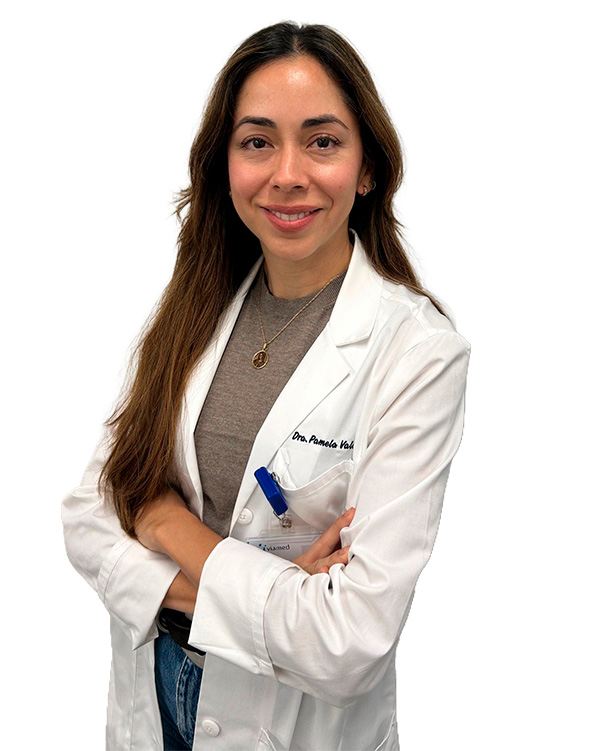
Dr. Pamela Valdivieso Mejía

gynaecologist and specialist in assisted reproduction

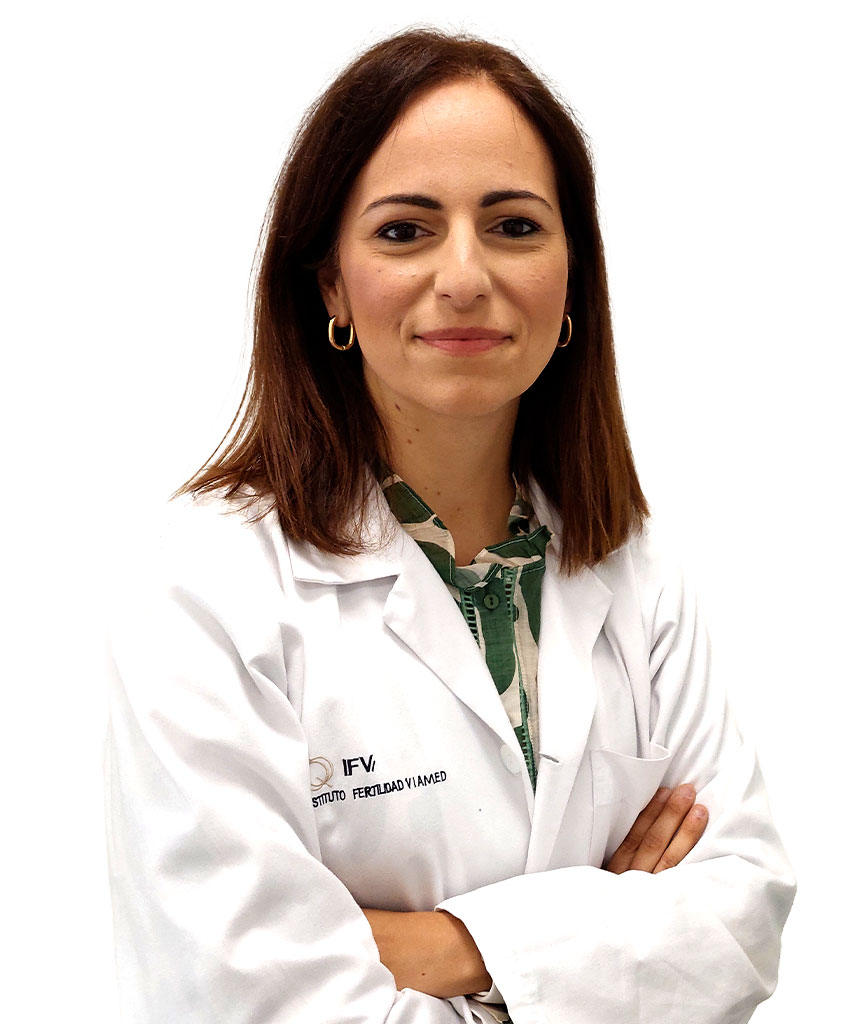
Dr. Silvia Valladares Jiménez

Specialist in Endocrinology and Nutrition

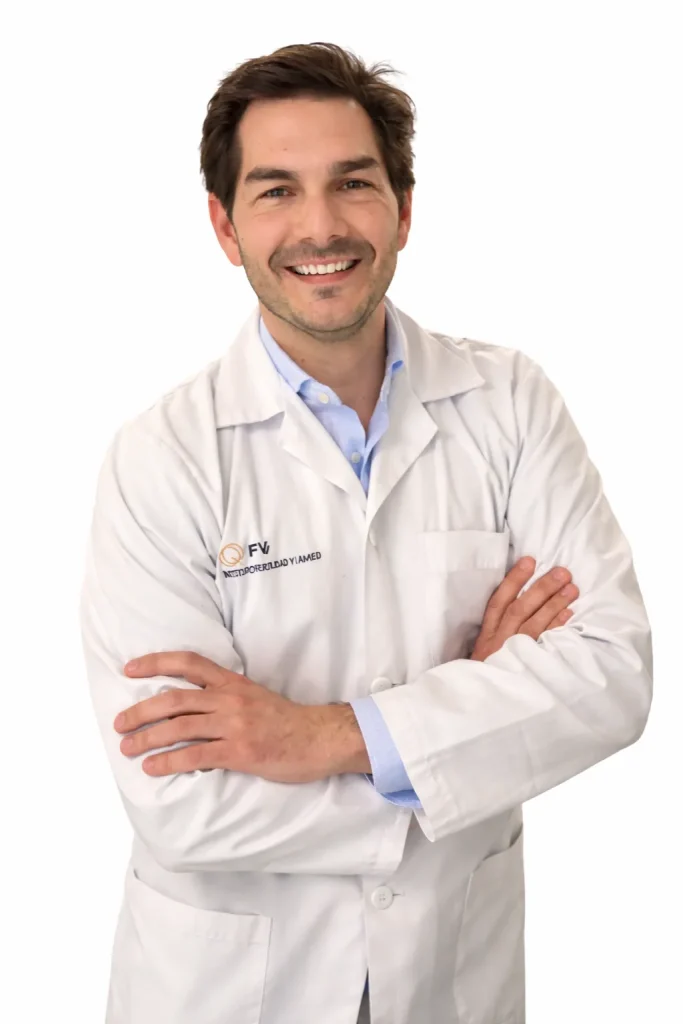
Dr. José Vilar

GYNAECOLOGIST

Education and Qualifications

  • Medical Degree from the University of Cádiz.
  • Specialist in Obstetrics and Gynaecology, Hospital Universitario Puerta del Mar, Cádiz.

Professional Experience

  • Gynaecologist at IVI Málaga (2013–2018).
  • Gynaecologist at Grupo Internacional UR (2020–2025).
  • Gynaecologist at IFV (2026–present).
  • Consultant in Obstetrics and Gynaecology at the Andalusian Health Service (2019–present).

Qualifications and Awards

  • PhD in Medicine from the University of Cádiz.

Scientific Activity

  • Co-author of several scientific publications in international journals and presentations delivered at national and international conferences.
  • Co-author of several chapters in specialised books on Gynaecology and Assisted Reproduction.

Ángeles Bretón

CLINICAL EMBRYOLOGIST

Dr. Carlos Javier Vega Reina

GYNAECOLOGIST

Dr. María Miró

IMMUNOLOGIST

Dr. María Eugenia Molina

HEMATOLOGIST

Elena Mantrana Bermejo

Gynecologist. Specialist in Reproductive Medicine

  • Degree in Medicine and Surgery from the University of Seville.
  • Specialty in Obstetrics and Gynecology at Hospital Universitario de Valme, Seville.
  • Master’s Degree in Human Reproduction from the Universidad Rey Juan Carlos.
  • Specialist Physician of the Andalusian Health Service in the South Health Management Area (AGSS) of Seville.
  • Coordinator of the Assisted Human Reproduction Unit of the Hospital Universitario de Valme, Seville.
  • Member of the Human Reproduction Advisory Committee of AGSS of Seville.
  • Member of the working group for the update of the Guide for Assisted Human Reproduction of the Ministry of Health of the Andalusian Regional Government.
  • Tutor of Specialist Doctors in Training of the Teaching Area of the University Hospital of Valme.
  • Clinical Tutor Medical Students University of Seville

Alberto Armijo

Gynecologist. Reproductive Medicine Specialist