Treatment for recurrent miscarriage in Seville

Few situations in reproductive medicine are as heartbreaking as achieving a positive result and, shortly afterwards, seeing the dream fade away. We know the emotional impact is immense. However, at Viamed Fertility Institute, we want to offer you a message of calm: recurrent miscarriage is not a matter of “bad luck”, but a clinical condition that requires in-depth investigation to find the root cause.

From Viamed Hospital Santa Ángela de la Cruz, we approach each pregnancy loss with a high-resolution focus, moving beyond simply seeking pregnancy and concentrating on ensuring that it reaches full term successfully.

When do we talk about recurrent miscarriage?

Traditionally, it was considered necessary to have suffered three losses before beginning a study. However, at our centre in Seville, we understand that emotional exhaustion should not have to wait. That is why, if you have experienced two or more repeated miscarriages, we consider it the right time to carry out a specialist assessment.

We do not wait for the situation to happen again; we act so that the next attempt can be the definitive one.


Investigating the underlying cause: beyond the surface

To guide treatment in the right direction, our team of professionals investigates the different factors that may be interfering:

Genetic causes:

We study both the parents' karyotype and the embryos. At this point, genetic study of the pregnancy loss is vitally important, as it can provide the definitive key to why the pregnancy did not progress.

Haematological causes and thrombophilias:

We analyse whether there are coagulation problems that prevent blood from reaching the placenta and future baby correctly.

Immunological causes:

Sometimes, the mother's immune system does not recognise the embryo as "its own", favouring pregnancy loss. We have specific protocols to regulate this response.

Hormonal and anatomical causes:

We monitor values such as progesterone and thyroid function. We also rule out uterine malformations or the presence of fibroids that could hinder the baby's growth, using 3D ultrasound.

PregnancyLoss Test: advanced genetic answers

We understand that after a loss, the most urgent question is: “Why did it happen?” To offer precise answers without adding further physical stress, at IFV Sevilla we incorporate the PregnancyLoss Test. This cutting-edge technological solution allows us to analyse the genetic causes of pregnancy interruption in a completely non-invasive way and with maximum speed, requiring only a maternal blood sample to study free fetal DNA and thereby avoid the traditional analysis of biological remains.

Recurrent miscarriage and implantation failure: two sides of the same coin

It is very common for the causes of recurrent miscarriage to overlap with those of implantation failure, when the embryo does not even manage to implant. In both cases, the study must be exhaustive and rule out genetic, immune and endometrial environment factors.

If the embryo does not implant, or if it is lost after a few weeks, we can look for the origin in a “piece of the puzzle” that has not yet been found.

Our strategy at IFV Sevilla: a multidisciplinary approach

The great advantage of treating recurrent miscarriage within the Viamed Salud environment is our hospital response capacity. As we are integrated into Hospital Santa Ángela de la Cruz, we immediately coordinate haematologists, geneticists and immunologists.

PGT-A, or genetic selection:

In many cases of recurrent miscarriage, the key lies in the embryo. Through preimplantation genetic testing, we transfer embryos with a normal chromosomal complement, significantly reducing the miscarriage rate.

High-complexity monitoring:

Once pregnancy is achieved, monitoring at our hospital is much closer, with frequent blood tests and ultrasound checks for your complete peace of mind.

FAQs: answers about recurrent pregnancy loss

Yes. The vast majority of couples who experience recurrent miscarriage are able to have a healthy baby once the cause has been identified and the appropriate medical treatment is applied.

It is essential. It allows us to determine whether the miscarriage was due to a genetic abnormality in the embryo, which may be a one-off event, or whether the embryo was healthy, in which case we would need to look for the cause in the mother, such as uterine, coagulation or immunological factors. Today, thanks to the PregnancyLoss Test, this genetic study can be performed using maternal blood, avoiding traditional analysis of biological remains.

Although there are significant medical causes, factors such as smoking, extreme stress or certain vitamin deficiencies can play a role. At IFV, we advise you comprehensively so that your body is in the best possible condition.

Your Life Project deserves real answers

Do not leave your dream to chance. If you have experienced the hardship of recurrent miscarriage, come to Hospital Santa Ángela de la Cruz. Let science and the commitment of our team in Seville design the safe plan you need.

We are here to support you.

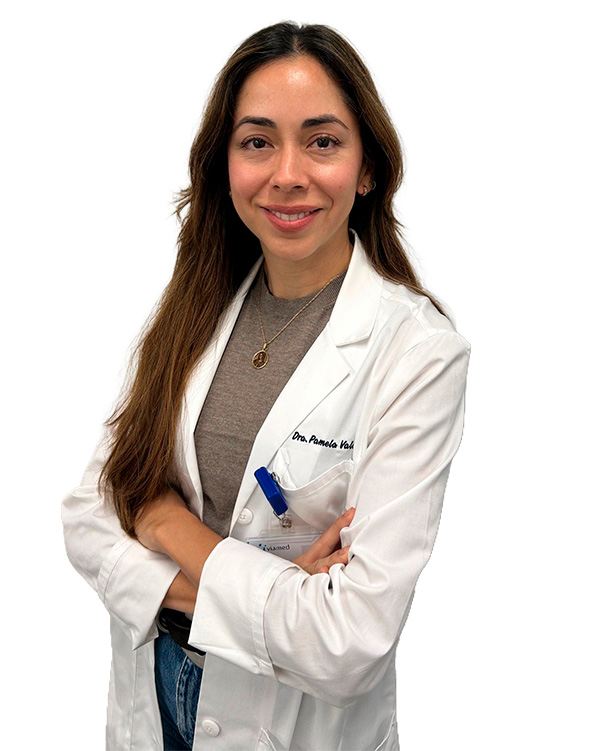
Dr. Pamela Valdivieso Mejía

gynaecologist and specialist in assisted reproduction

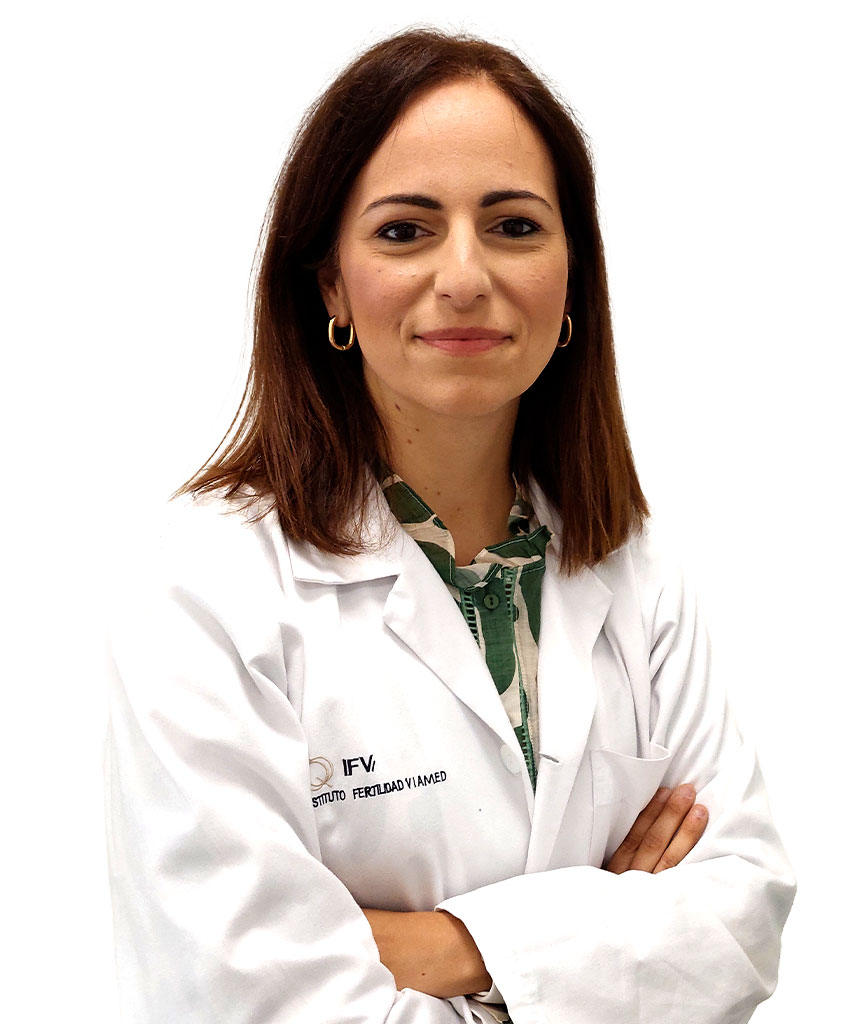
Dr. Silvia Valladares Jiménez

Specialist in Endocrinology and Nutrition

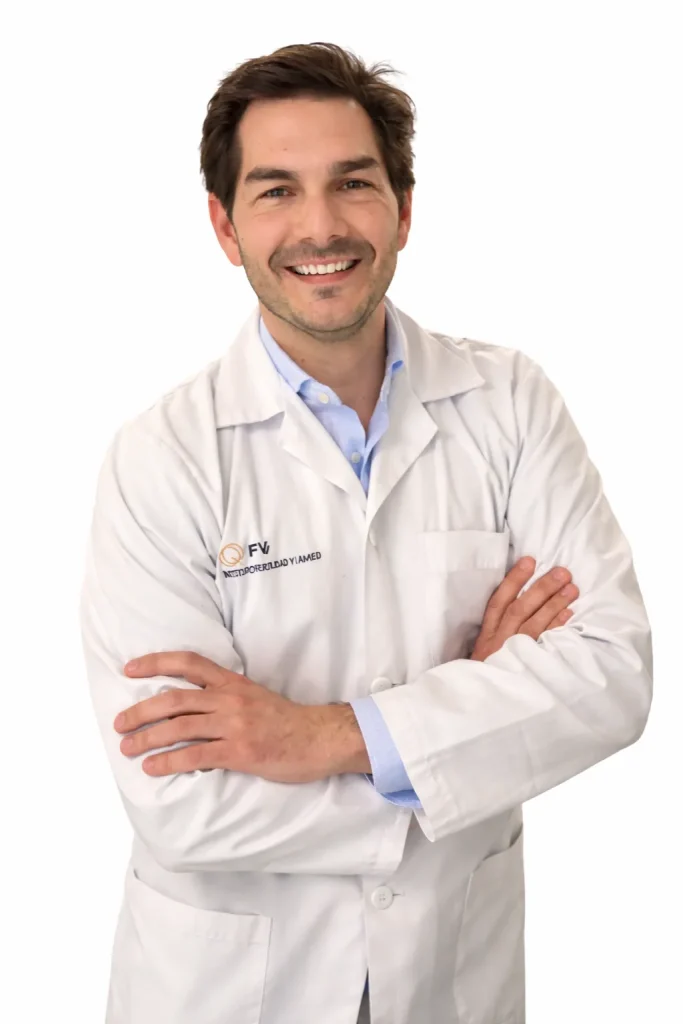
Dr. José Vilar

GYNAECOLOGIST

Education and Qualifications

  • Medical Degree from the University of Cádiz.
  • Specialist in Obstetrics and Gynaecology, Hospital Universitario Puerta del Mar, Cádiz.

Professional Experience

  • Gynaecologist at IVI Málaga (2013–2018).
  • Gynaecologist at Grupo Internacional UR (2020–2025).
  • Gynaecologist at IFV (2026–present).
  • Consultant in Obstetrics and Gynaecology at the Andalusian Health Service (2019–present).

Qualifications and Awards

  • PhD in Medicine from the University of Cádiz.

Scientific Activity

  • Co-author of several scientific publications in international journals and presentations delivered at national and international conferences.
  • Co-author of several chapters in specialised books on Gynaecology and Assisted Reproduction.

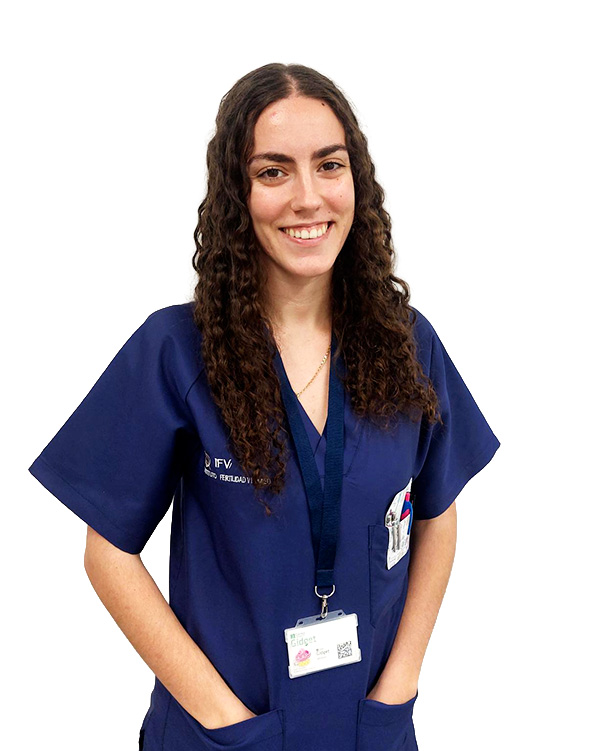
Ángeles Bretón

CLINICAL EMBRYOLOGIST

Dr. Carlos Javier Vega Reina

GYNAECOLOGIST

Dr. María Miró

IMMUNOLOGIST

Dr. María Eugenia Molina

HEMATOLOGIST

Elena Mantrana Bermejo

Gynecologist. Specialist in Reproductive Medicine

  • Degree in Medicine and Surgery from the University of Seville.
  • Specialty in Obstetrics and Gynecology at Hospital Universitario de Valme, Seville.
  • Master’s Degree in Human Reproduction from the Universidad Rey Juan Carlos.
  • Specialist Physician of the Andalusian Health Service in the South Health Management Area (AGSS) of Seville.
  • Coordinator of the Assisted Human Reproduction Unit of the Hospital Universitario de Valme, Seville.
  • Member of the Human Reproduction Advisory Committee of AGSS of Seville.
  • Member of the working group for the update of the Guide for Assisted Human Reproduction of the Ministry of Health of the Andalusian Regional Government.
  • Tutor of Specialist Doctors in Training of the Teaching Area of the University Hospital of Valme.
  • Clinical Tutor Medical Students University of Seville

Alberto Armijo

Gynecologist. Reproductive Medicine Specialist