Endometrial PRP in Seville

At Viamed Fertility Institute, we know that the success of an assisted reproduction treatment does not end with obtaining a high-quality embryo; that is only the beginning. The real challenge is ensuring that this embryo finds a welcoming and receptive environment. Endometrial PRP, or platelet-rich plasma with growth factors, is the most advanced bioregeneration technique for women who need to optimise the health of their uterus before transfer. It is an experimental technique, but one that is widely used in clinical practice with very good results in selected cases.

Located in Viamed Hospital Santa Ángela de la Cruz, we transform this technology into what we like to call “nest preparation”. Because at our centre, we understand that every detail matters in helping your Life Project become a safe and supported reality.

What is endometrial PRP and how does it help implantation?

Endometrial PRP is a treatment that uses your own blood to help ensure that the uterus is in the best possible condition before receiving the embryo. Instead of using external chemical compounds, we harness the natural repair power already present in your platelets. When applied directly inside the uterus, these cells release natural proteins that act as “activators”, helping to renew and strengthen the tissue gently but very effectively.

The aim is to prepare the “nest” in the best possible way: improving blood supply and making the uterus much more welcoming and receptive. In Seville, our team of professionals uses this technique to “awaken” your body’s own regenerative capacity, creating the perfect environment for the embryo to implant strongly and for your dream to progress successfully.

Hospital safety in Seville: the value of performing PRP at Viamed

Performing endometrial PRP treatment within a highly complex hospital environment provides a clear competitive advantage and absolute safety:

Safe surgical environment

At Hospital Santa Ángela de la Cruz, we have integrated cell processing laboratories and hospital sterility protocols.

Support from a major group

Being part of Viamed Salud allows us to offer 24-hour medical monitoring and the support of all specialties if necessary.

Privacy and excellence

A discreet process carried out by experts who understand the emotional burden of previous implantation failures.

The step-by-step process

The treatment is simple, safe and divided into three key phases coordinated by our embryology and gynaecology team:

Sample collection

A conventional blood test is performed on the patient at our hospital facilities.

High-precision processing

The blood undergoes a controlled centrifugation process in the laboratory to separate and concentrate the platelets and their growth factors. This is how we obtain platelet-rich plasma with growth factors.

Intrauterine application

Using a very fine catheter, similar to the one used in insemination, the gynaecologist instils the plasma directly into the uterus. It is a painless process, carried out in consultation without the need for anaesthesia or sedation, and allows the patient to return to normal activity immediately.

When is platelet-rich plasma with growth factors recommended?

Our specialists recommend endometrial PRP after a comprehensive diagnostic assessment. It is especially effective in the following clinical scenarios:

Refractory or “thin” endometrium

We refer to refractory endometrium when, despite hormonal treatments, the tissue does not reach the ideal minimum thickness, generally 7 mm, for transfer. PRP helps improve endometrial functionality, increasing the chances of success.

Repeated implantation failure

For couples who have undergone unsuccessful transfers of good-quality embryos, endometrial PRP is a key adjuvant technique to improve biological communication between the embryo and the uterus.

Asherman syndrome and adenomyosis

In cases of uterine scarring, known as adhesions, or chronic inflammatory conditions such as adenomyosis, the reparative effect of growth factors helps restore the functionality of damaged endometrial tissue.

Results and success rates with PRP at IFV

Scientific evidence and our clinical experience in Seville show that PRP improves pregnancy rates in patients with a difficult prognosis. By improving vascularisation and reducing local inflammation, we help endometria that were previously “hostile” become receptive and healthy environments for the embryo.

FAQs: frequently asked questions about endometrial PRP in Seville

Completely. As it is an autologous therapy, using your own blood, the risk of rejection or allergic reactions is minimised. It is a biological and natural process enhanced by the medical technology of our hospital.

Generally, the standard protocol at Viamed Fertility Institute in Seville consists of 2 to 3 applications within the same endometrial preparation cycle, spaced according to medical criteria to maximise tissue growth.

No, it is a very well-tolerated process. Most of our patients describe a sensation similar to a smear test or artificial insemination. As it is performed at Hospital Santa Ángela de la Cruz, we guarantee an environment of maximum comfort and a gentle technique.

Your dream begins here

Are you looking for the best technology for your endometrium in Seville? Do not let a thin endometrium become an obstacle to your Life Project. Request your first diagnostic appointment today and discover how our team of professionals can help you prepare the nest for your future baby.

We are here to support you.

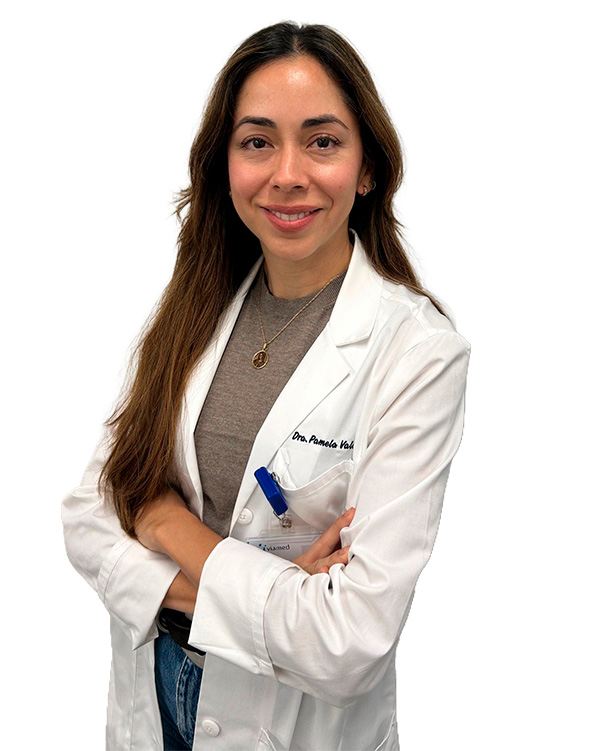
Dr. Pamela Valdivieso Mejía

gynaecologist and specialist in assisted reproduction

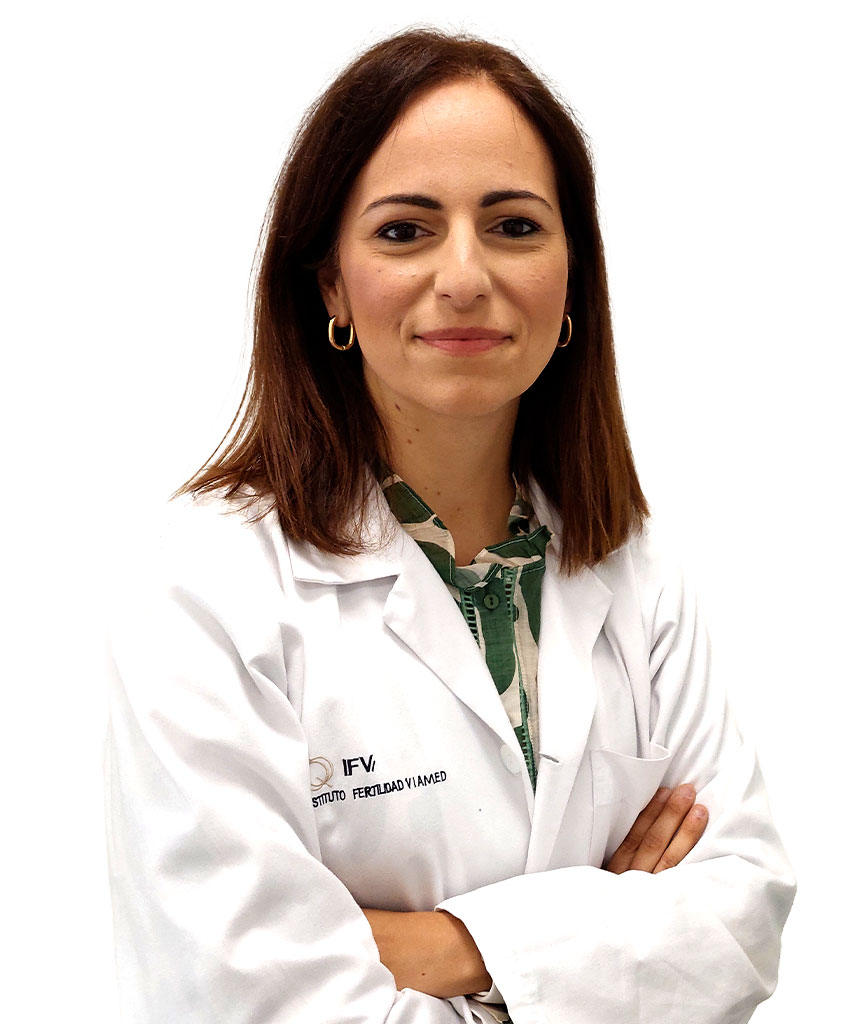
Dr. Silvia Valladares Jiménez

Specialist in Endocrinology and Nutrition

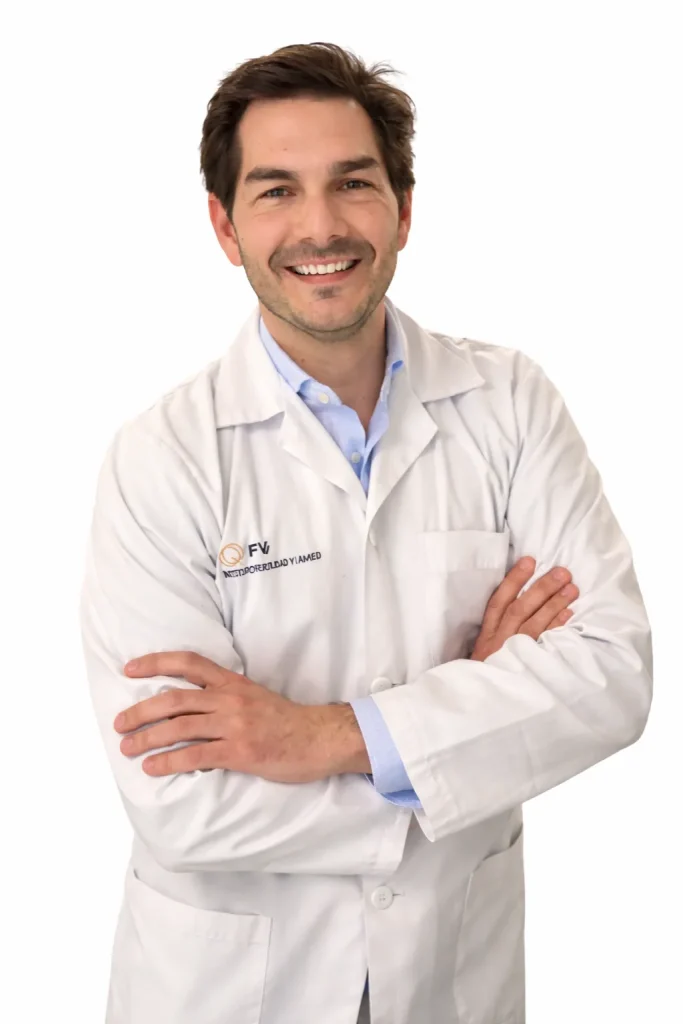
Dr. José Vilar

GYNAECOLOGIST

Education and Qualifications

  • Medical Degree from the University of Cádiz.
  • Specialist in Obstetrics and Gynaecology, Hospital Universitario Puerta del Mar, Cádiz.

Professional Experience

  • Gynaecologist at IVI Málaga (2013–2018).
  • Gynaecologist at Grupo Internacional UR (2020–2025).
  • Gynaecologist at IFV (2026–present).
  • Consultant in Obstetrics and Gynaecology at the Andalusian Health Service (2019–present).

Qualifications and Awards

  • PhD in Medicine from the University of Cádiz.

Scientific Activity

  • Co-author of several scientific publications in international journals and presentations delivered at national and international conferences.
  • Co-author of several chapters in specialised books on Gynaecology and Assisted Reproduction.

Ángeles Bretón

CLINICAL EMBRYOLOGIST

Dr. Carlos Javier Vega Reina

GYNAECOLOGIST

Dr. María Miró

IMMUNOLOGIST

Dr. María Eugenia Molina

HEMATOLOGIST

Elena Mantrana Bermejo

Gynecologist. Specialist in Reproductive Medicine

  • Degree in Medicine and Surgery from the University of Seville.
  • Specialty in Obstetrics and Gynecology at Hospital Universitario de Valme, Seville.
  • Master’s Degree in Human Reproduction from the Universidad Rey Juan Carlos.
  • Specialist Physician of the Andalusian Health Service in the South Health Management Area (AGSS) of Seville.
  • Coordinator of the Assisted Human Reproduction Unit of the Hospital Universitario de Valme, Seville.
  • Member of the Human Reproduction Advisory Committee of AGSS of Seville.
  • Member of the working group for the update of the Guide for Assisted Human Reproduction of the Ministry of Health of the Andalusian Regional Government.
  • Tutor of Specialist Doctors in Training of the Teaching Area of the University Hospital of Valme.
  • Clinical Tutor Medical Students University of Seville

Alberto Armijo

Gynecologist. Reproductive Medicine Specialist