Testicular biopsy in Seville

At Viamed Fertility Institute, we know that receiving a diagnosis of azoospermia, meaning the absence of sperm in the ejaculate, can have a deep emotional impact on a man. However, in assisted reproduction, “not seeing them” does not always mean that “they do not exist”.

Testicular biopsy is the advanced surgical technique that allows us to go directly to the source to retrieve sperm where they are produced or stored, when indicated after prior assessment by the urologist.

From the safe environment of Viamed Hospital Santa Ángela de la Cruz, our medical team works to ensure that male infertility is not the end of the road, but an obstacle that can be overcome with precision and hospital technology.

What are testicular biopsy and epididymal aspiration?

Both are microsurgical techniques designed to obtain sperm when they do not appear naturally.

Testicular biopsy

This consists of extracting a small tissue sample directly from the testicle, the “factory” where sperm are produced.

Epididymal aspiration

This is an even simpler procedure in which fluid is extracted from the epididymis, the “storage site” where sperm mature before being released.

Although we are talking about a medical intervention, it is a painless process performed under local anaesthesia or sedation, ensuring that the patient feels no discomfort during the procedure at our hospital in Seville.

TESA vs. TESE

which is the best option for your case?

At our centre in Seville, we adapt the technique according to the diagnostic need and the ease of obtaining sperm:

TESA, or percutaneous aspiration

This is the least invasive method. A fine needle is used to aspirate sperm. It is ideal as a first step in cases where we know sperm production exists but there is an obstruction.

TESE, or open biopsy

If aspiration is not sufficient, we perform a small incision to obtain tissue fragments. This allows embryologists to search more deeply within the seminiferous tubules, which is vital in cases of low sperm production, known as secretory azoospermia.

Surgical safety at Viamed Hospital Santa Ángela de la Cruz

Performing a testicular biopsy within a highly complex hospital makes a critical difference to the success of treatment:

Instant coordination

While the urologist performs the extraction, our embryology team analyses the sample under the microscope in real time. If sperm are present, we confirm it immediately.

Real surgical environment

We have anaesthetists, state-of-the-art operating theatres and all the safety resources that only Viamed Salud can offer.

Comfortable postoperative recovery

As this is outpatient surgery in a hospital setting, the patient is discharged shortly afterwards with the reassurance of having been treated by first-class specialists.

Who is this intervention recommended for?

This technique is the definitive solution for men in the following situations:

Vasectomy

Men who wish to become fathers again and do not want to, or cannot, reverse the vasectomy.

Obstructive azoospermia

Due to infections, trauma or congenital absence of ducts.

Secretory azoospermia

When the testicle has production difficulties, but isolated “foci” of sperm production may still exist.

Cystic fibrosis

This is often associated with absence of the vas deferens.

Beyond retrieval

The meiosis study

At Viamed Fertility Institute in Seville, we do not only search for sperm for IVF. In cases of recurrent miscarriage or implantation failure, the tissue obtained during the biopsy can be subjected to a meiosis study.

This cytogenetic analysis allows us to see how chromosomes are organised during sperm production, giving us key answers about why previous treatments may not have worked and how we can help ensure the success of your future Life Project.

FAQs: frequently asked questions about testicular biopsy in Seville

No. It is performed under local anaesthesia or deep sedation so that you feel absolutely nothing. The postoperative period is simple: it only requires relative rest and avoiding intense physical effort for a couple of days.

Yes. In fact, the most common approach at our hospital in Seville is to cryopreserve the sample obtained. This way, sperm are available for In Vitro Fertilisation (IVF) treatment without the man having to go through the operating theatre again.

In cases of vasectomy, the probability of finding good-quality sperm through aspiration or biopsy is very high, as the “factory” usually continues to work perfectly.

The absence of sperm has a solution

Do not let your dream be stopped by a diagnosis of azoospermia. Restore your hope with the support of our outstanding team of professionals and the technology of Hospital Santa Ángela de la Cruz.

We are here to support you.

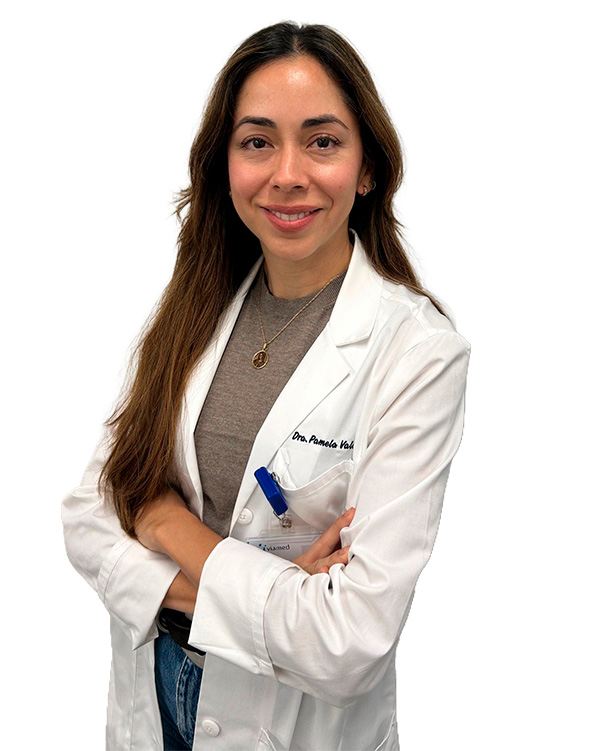
Dr. Pamela Valdivieso Mejía

gynaecologist and specialist in assisted reproduction

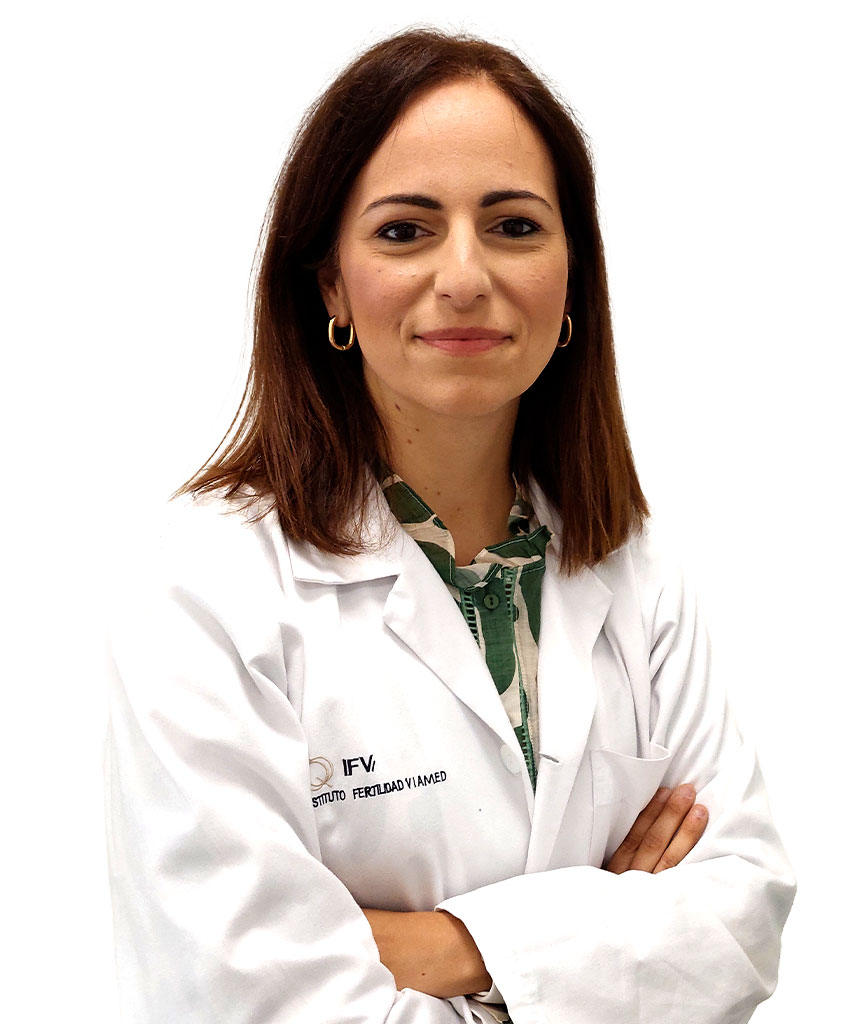
Dr. Silvia Valladares Jiménez

Specialist in Endocrinology and Nutrition

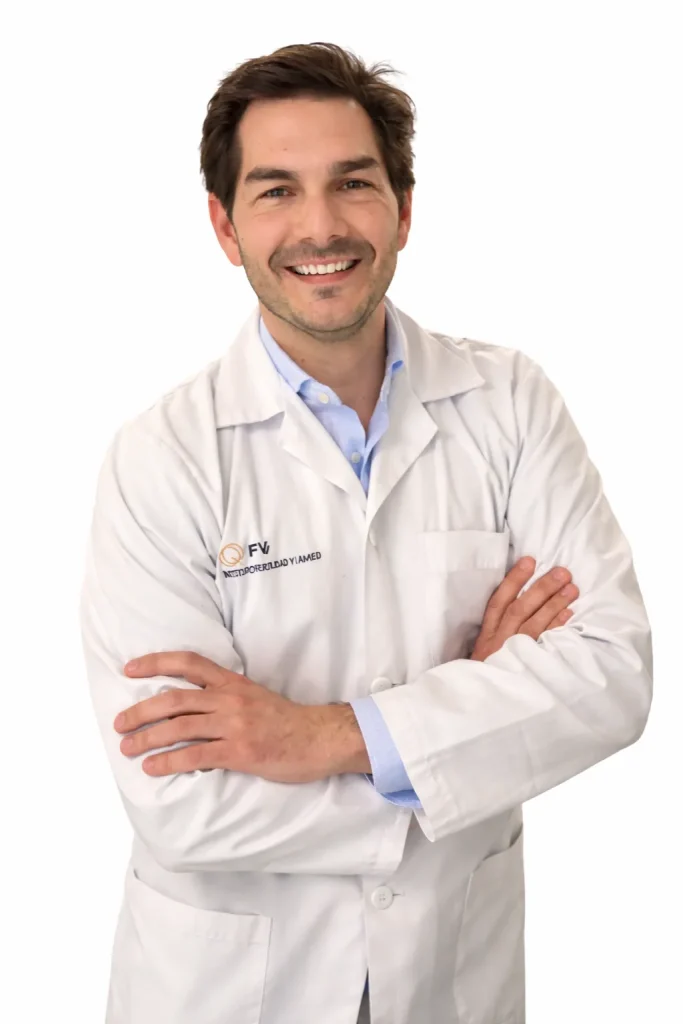
Dr. José Vilar

GYNAECOLOGIST

Education and Qualifications

  • Medical Degree from the University of Cádiz.
  • Specialist in Obstetrics and Gynaecology, Hospital Universitario Puerta del Mar, Cádiz.

Professional Experience

  • Gynaecologist at IVI Málaga (2013–2018).
  • Gynaecologist at Grupo Internacional UR (2020–2025).
  • Gynaecologist at IFV (2026–present).
  • Consultant in Obstetrics and Gynaecology at the Andalusian Health Service (2019–present).

Qualifications and Awards

  • PhD in Medicine from the University of Cádiz.

Scientific Activity

  • Co-author of several scientific publications in international journals and presentations delivered at national and international conferences.
  • Co-author of several chapters in specialised books on Gynaecology and Assisted Reproduction.

Ángeles Bretón

CLINICAL EMBRYOLOGIST

Dr. Carlos Javier Vega Reina

GYNAECOLOGIST

Dr. María Miró

IMMUNOLOGIST

Dr. María Eugenia Molina

HEMATOLOGIST

Elena Mantrana Bermejo

Gynecologist. Specialist in Reproductive Medicine

  • Degree in Medicine and Surgery from the University of Seville.
  • Specialty in Obstetrics and Gynecology at Hospital Universitario de Valme, Seville.
  • Master’s Degree in Human Reproduction from the Universidad Rey Juan Carlos.
  • Specialist Physician of the Andalusian Health Service in the South Health Management Area (AGSS) of Seville.
  • Coordinator of the Assisted Human Reproduction Unit of the Hospital Universitario de Valme, Seville.
  • Member of the Human Reproduction Advisory Committee of AGSS of Seville.
  • Member of the working group for the update of the Guide for Assisted Human Reproduction of the Ministry of Health of the Andalusian Regional Government.
  • Tutor of Specialist Doctors in Training of the Teaching Area of the University Hospital of Valme.
  • Clinical Tutor Medical Students University of Seville

Alberto Armijo

Gynecologist. Reproductive Medicine Specialist