POLYENDOCRINE METABOLIC OVARIAN SYNDROME (SOMP) | Fertility treatments for polycystic ovary syndrome in Seville

Polyendocrine Metabolic Ovarian Syndrome (SOMP) is the most common endocrine disorder in women of reproductive age, affecting between 6% and 10% of the female population. At Viamed Fertility Institute, we know that it is the most common cause of ovulation problems in women trying to become pregnant. However, having an expert diagnosis and a highly complex hospital environment is the key to transforming this imbalance into a positive result.

From Viamed Hospital Santa Ángela de la Cruz, we approach SOMP with a 360-degree vision, treating not only the symptoms but also the hormonal and metabolic root of your case.

What is Polyendocrine Metabolic Ovarian Syndrome (SOMP)?

It is important not to confuse having “cysts on the ovaries”, a common ultrasound image, with SOMP, which is a more complex metabolic and hormonal condition. To diagnose it accurately at our clinic in Seville, we look at three signs:

Irregular or absent periods:

This is the sign that you are not ovulating normally.

Signs of high male hormones:

Such as unwanted hair growth, acne or hair loss.

Ovaries with many follicles:

What appears on ultrasound as “multifollicular ovaries”.

Precision diagnosis: how can you know whether you have Polyendocrine Metabolic Ovarian Syndrome (SOMP)?

Polyendocrine Metabolic Ovarian Syndrome (SOMP) is a highly heterogeneous condition that manifests differently in each woman.

Oligo-ovulation or anovulation:

Periods that are very widely spaced or completely absent.

Hyperandrogenism:

Elevated levels of male hormones, which may be physically evident or detected only through blood tests.

Polycystic ovary ultrasound appearance:

A specific arrangement of follicles that our team of professionals identifies through high-resolution ultrasound.

It is essential to understand that Polyendocrine Metabolic Ovarian Syndrome (SOMP) has a strong genetic background, with an autosomal dominant inheritance pattern, and is often associated with metabolic problems such as insulin resistance, obesity and increased cardiovascular risk.

Why does SOMP make pregnancy more difficult? Hormonal imbalance

When trying to conceive naturally, FSH supports follicle growth and the LH surge triggers the release of the egg, or ovulation. In women with SOMP, this balance is disrupted:

The inversion of the FSH/LH ratio makes it more difficult for eggs to grow and mature correctly.

This prevents the egg from being released, leaving it “trapped” in the ovary.

In addition, the hormonal environment associated with SOMP can lead to poorer egg quality and a higher miscarriage rate, especially when factors such as obesity or hyperinsulinaemia are also present.

High-resolution treatments in Seville: safety and success

At Viamed Fertility Institute, we design strategies to minimise risks and maximise results.

FAQs: expert answers about SOMP and fertility

Generally, yes. Women with PCOS usually have many eggs, but the challenge is ensuring that they mature correctly. At IFV, we specialise in “unlocking” that potential.

There is an association, often linked to insulin resistance or egg quality. That is why, at Hospital Santa Ángela de la Cruz, we work in a multidisciplinary way to stabilise your metabolism before and during the process.

Your positive result begins by restoring balance

Do not let SOMP stop your Life Project. Come to Hospital Santa Ángela de la Cruz and trust the science and commitment of our outstanding team in Seville
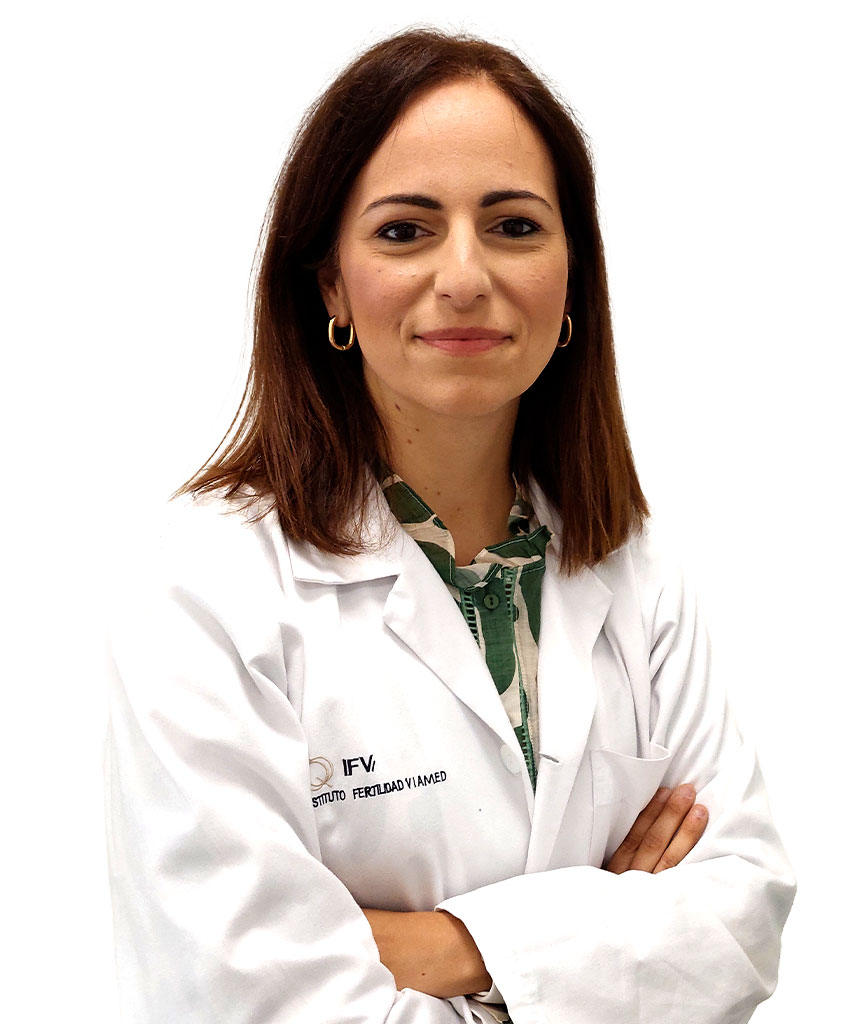
We are here to support you.

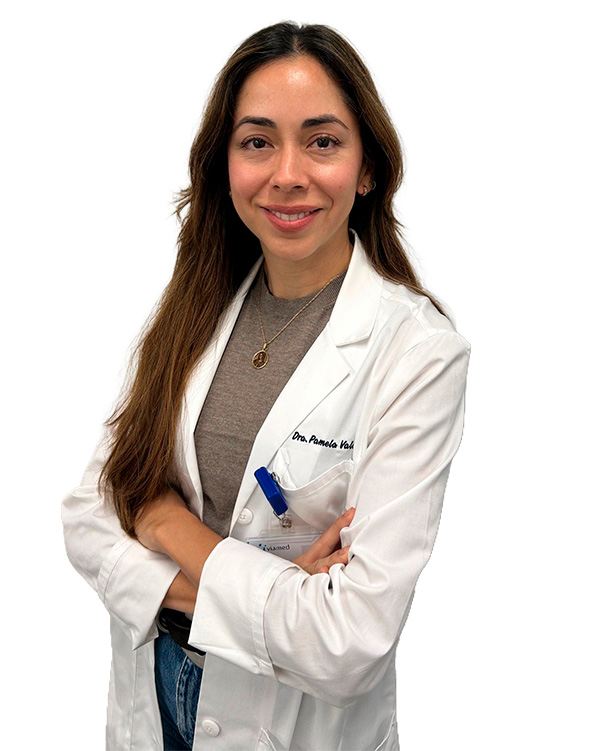
Dr. Pamela Valdivieso Mejía

gynaecologist and specialist in assisted reproduction

Dr. Silvia Valladares Jiménez

Specialist in Endocrinology and Nutrition

Dr. José Vilar

GYNAECOLOGIST

Education and Qualifications

  • Medical Degree from the University of Cádiz.
  • Specialist in Obstetrics and Gynaecology, Hospital Universitario Puerta del Mar, Cádiz.

Professional Experience

  • Gynaecologist at IVI Málaga (2013–2018).
  • Gynaecologist at Grupo Internacional UR (2020–2025).
  • Gynaecologist at IFV (2026–present).
  • Consultant in Obstetrics and Gynaecology at the Andalusian Health Service (2019–present).

Qualifications and Awards

  • PhD in Medicine from the University of Cádiz.

Scientific Activity

  • Co-author of several scientific publications in international journals and presentations delivered at national and international conferences.
  • Co-author of several chapters in specialised books on Gynaecology and Assisted Reproduction.

Ángeles Bretón

CLINICAL EMBRYOLOGIST

Dr. Carlos Javier Vega Reina

GYNAECOLOGIST

Dr. María Miró

IMMUNOLOGIST

Dr. María Eugenia Molina

HEMATOLOGIST

Elena Mantrana Bermejo

Gynecologist. Specialist in Reproductive Medicine

  • Degree in Medicine and Surgery from the University of Seville.
  • Specialty in Obstetrics and Gynecology at Hospital Universitario de Valme, Seville.
  • Master’s Degree in Human Reproduction from the Universidad Rey Juan Carlos.
  • Specialist Physician of the Andalusian Health Service in the South Health Management Area (AGSS) of Seville.
  • Coordinator of the Assisted Human Reproduction Unit of the Hospital Universitario de Valme, Seville.
  • Member of the Human Reproduction Advisory Committee of AGSS of Seville.
  • Member of the working group for the update of the Guide for Assisted Human Reproduction of the Ministry of Health of the Andalusian Regional Government.
  • Tutor of Specialist Doctors in Training of the Teaching Area of the University Hospital of Valme.
  • Clinical Tutor Medical Students University of Seville

Alberto Armijo

Gynecologist. Reproductive Medicine Specialist