Ovarian regeneration in Seville

At Viamed Fertility Institute, we understand that ovarian reserve is not just a figure in a blood test; it is the clock that marks your dream of becoming parents. Often, the passage of time or early menopause seems to close the door to using your own eggs, pushing many women towards egg donation earlier than they would have wished. Ovarian regeneration emerges as a response from regenerative medicine to try to “pause” that clock and awaken the potential that still remains in your ovaries.

From our centre at Viamed Hospital Santa Ángela de la Cruz, we use this cutting-edge technology to give you an additional opportunity, always under the care of our team of professionals.

What is ovarian regeneration and how can it help your fertility?

Ovarian regeneration consists of the infusion of platelet-rich plasma with growth factors, obtained from the patient’s own blood, directly into the ovarian tissue.

It is an experimental technique, but one that is widely used in clinical practice with very good results in selected cases.

Platelets are rich in growth factors, natural proteins that have the ability to repair tissue and improve vascularisation. By applying them to the ovary, we aim to “awaken” dormant follicles that are still present but do not respond to conventional medication. The goal is to improve the biological environment of the ovary in order to try to obtain a greater number of eggs and, in many cases, improve their quality.

Hospital safety: the value of performing regeneration at Viamed

Ovarian regeneration requires a highly precise puncture technique. For this reason, at Viamed Fertility Institute, this procedure is carried out under the strictest standards of high-complexity hospital care:

Operating theatre environment

The infusion is performed at Hospital Santa Ángela de la Cruz, guaranteeing maximum sterility.

Maximum comfort

It is carried out under light sedation, making the process completely painless for the patient.

Support from Viamed Salud

Having the backing of a major hospital group allows us to offer comprehensive safety that smaller clinics cannot match.

The step-by-step process: preparing your own potential

The treatment is simple for the patient and is coordinated as follows:

PRP collection

We perform a conventional blood draw from the patient, which is immediately processed in our laboratory to concentrate the growth factors.

Intraovarian infusion

Using ultrasound guidance and under sedation, the gynaecologist injects the plasma directly into the cortex of both ovaries.

Follow-up

Results begin to be assessed after 2 or 3 months. We carry out hormonal and ultrasound monitoring to check whether there has been an increase in the antral follicle count before starting a new stimulation cycle.

Who is ovarian regeneration recommended for?

This technique is especially hopeful for women facing situations with a difficult prognosis:

Low ovarian reserve:

Women with very low anti-Müllerian hormone (AMH) levels.

Low responders

Patients who have undergone previous IVF cycles with very few eggs retrieved.

Early menopause or premature ovarian failure

Young women who have stopped having menstrual cycles earlier than expected.

Desire to use own eggs

Women who, for personal reasons, wish to exhaust all biological options before turning to donor eggs.

FAQs: questions about ovarian regeneration in Seville

As with any fertility treatment, there are no 100% guarantees. However, this technique has shown significant improvement in the number of eggs obtained in women who previously did not respond to medication, opening a window of opportunity using their own genetic material.

Ovarian tissue needs time to regenerate. In general, the best results are observed between the second and fourth month after the procedure.

No. As it is performed under sedation in the hospital environment of Hospital Santa Ángela de la Cruz, the patient feels nothing. After the technique, she can return to normal life the same day, with only minimal discomfort similar to period pain.

We are here to support you.

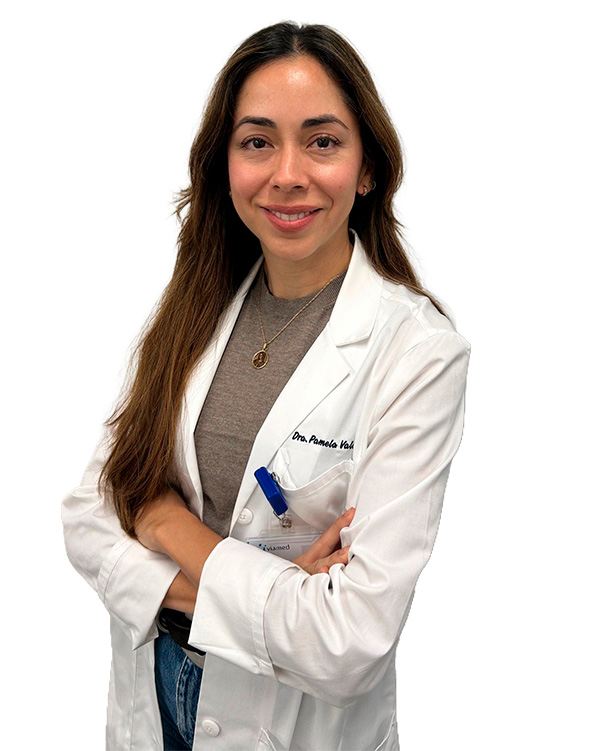
Dr. Pamela Valdivieso Mejía

gynaecologist and specialist in assisted reproduction

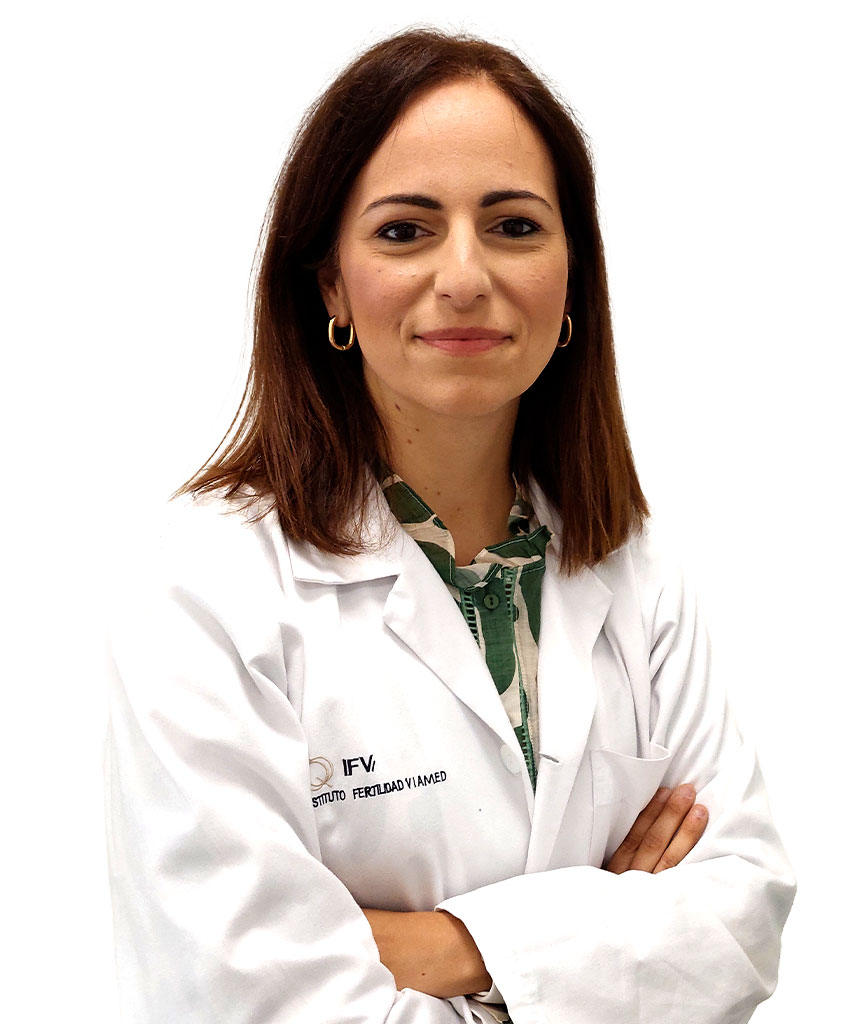
Dr. Silvia Valladares Jiménez

Specialist in Endocrinology and Nutrition

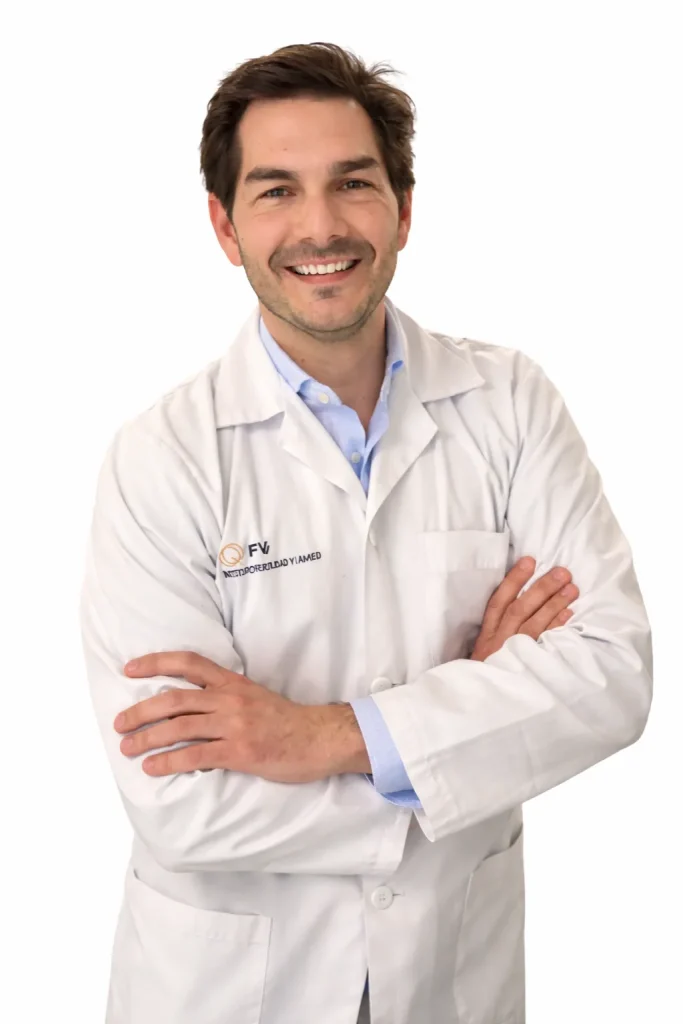
Dr. José Vilar

GYNAECOLOGIST

Education and Qualifications

  • Medical Degree from the University of Cádiz.
  • Specialist in Obstetrics and Gynaecology, Hospital Universitario Puerta del Mar, Cádiz.

Professional Experience

  • Gynaecologist at IVI Málaga (2013–2018).
  • Gynaecologist at Grupo Internacional UR (2020–2025).
  • Gynaecologist at IFV (2026–present).
  • Consultant in Obstetrics and Gynaecology at the Andalusian Health Service (2019–present).

Qualifications and Awards

  • PhD in Medicine from the University of Cádiz.

Scientific Activity

  • Co-author of several scientific publications in international journals and presentations delivered at national and international conferences.
  • Co-author of several chapters in specialised books on Gynaecology and Assisted Reproduction.

Ángeles Bretón

CLINICAL EMBRYOLOGIST

Dr. Carlos Javier Vega Reina

GYNAECOLOGIST

Dr. María Miró

IMMUNOLOGIST

Dr. María Eugenia Molina

HEMATOLOGIST

Elena Mantrana Bermejo

Gynecologist. Specialist in Reproductive Medicine

  • Degree in Medicine and Surgery from the University of Seville.
  • Specialty in Obstetrics and Gynecology at Hospital Universitario de Valme, Seville.
  • Master’s Degree in Human Reproduction from the Universidad Rey Juan Carlos.
  • Specialist Physician of the Andalusian Health Service in the South Health Management Area (AGSS) of Seville.
  • Coordinator of the Assisted Human Reproduction Unit of the Hospital Universitario de Valme, Seville.
  • Member of the Human Reproduction Advisory Committee of AGSS of Seville.
  • Member of the working group for the update of the Guide for Assisted Human Reproduction of the Ministry of Health of the Andalusian Regional Government.
  • Tutor of Specialist Doctors in Training of the Teaching Area of the University Hospital of Valme.
  • Clinical Tutor Medical Students University of Seville

Alberto Armijo

Gynecologist. Reproductive Medicine Specialist